Ever discovered negative comments about your brand hours too late, when the damage was already done? You're not alone—managing your online reputation across dozens of platforms can feel overwhelming and impossible to track.
But what if you could monitor every mention of your brand across the entire internet in real-time, respond to opportunities instantly, and prevent reputation crises before they happen? Social media monitoring makes this possible, and it's simpler than you think.
This comprehensive guide will walk you through everything you need to know about social media monitoring in 2026. You'll learn how to set up automated tracking, choose the right tools, analyze sentiment, and turn monitoring into a competitive advantage that drives real business growth.

Understanding Social Media Monitoring Basics
Social media monitoring is the practice of tracking conversations, mentions, and discussions about your brand, products, competitors, or industry across social platforms and the broader web. Unlike social media management, which focuses on posting content, social media monitoring is about listening and responding to what's already being said about you.
What is Social Media Monitoring?
Social media monitoring involves systematically tracking and analyzing online conversations to understand public sentiment about your brand. This includes direct mentions (when someone tags your account), indirect mentions (when someone discusses your brand without tagging you), and broader industry conversations that could impact your business.
Modern social media monitoring tools scan millions of sources including Facebook, Twitter, Instagram, LinkedIn, TikTok, YouTube, Reddit, news sites, blogs, forums, and review platforms. They use advanced algorithms to identify relevant content and categorize sentiment as positive, negative, or neutral.
Social Media Monitoring vs. Social Listening: Key Differences
| Aspect | Social Media Monitoring | Social Listening |
|---|---|---|
| Focus | Brand mentions and direct feedback | Industry trends and broader conversations |
| Timeframe | Real-time, immediate response | Long-term analysis and planning |
| Action | Reactive - respond to mentions | Proactive - inform strategy |
| Goal | Reputation management, customer service | Market insights, product development |
The Business Impact of Social Media Monitoring
Companies that implement comprehensive social media monitoring see measurable improvements across multiple business metrics. According to Salesforce research, businesses using social monitoring tools experience 65% higher engagement rates and 40% faster crisis resolution times, with 75% of marketing leaders seeing direct ROI from social media investments.
Beyond reputation management, social media monitoring provides competitive intelligence, helps identify influencer partnerships, reveals customer pain points, and uncovers new market opportunities. It's not just about damage control—it's about turning conversations into business growth.
Common Social Media Monitoring Challenges
Many businesses struggle with social media monitoring because they try to track everything manually or use basic tools that miss important conversations. Common challenges include information overload, false positives, delayed responses, and difficulty measuring ROI.
The key is implementing a strategic approach with the right tools and processes. This guide will show you how to overcome these challenges and build a monitoring system that actually drives results for your business.
📺 Watch: Social Media Monitoring in Action
See how professional social media monitoring works in practice and learn the key strategies that successful brands use to track their online reputation.
Video: Social Media Monitoring Tools: How to Track Brand Mentions
This comprehensive tutorial shows you exactly how to set up and use social media monitoring tools effectively. Perfect complement to our written guide above.
What you'll learn: Tool setup, keyword selection, alert configuration, and response strategies
Duration: 8 minutes | Level: Beginner to Intermediate
Step-by-Step: Setting Up Social Media Monitoring

Setting up effective social media monitoring doesn't have to be complicated. Follow this systematic approach to create a monitoring system that catches every important mention and helps you respond strategically to protect and grow your brand.
Step 1: Define Your Monitoring Objectives
Before choosing tools or setting up alerts, clarify what you want to achieve with social media monitoring. Are you primarily focused on reputation management, customer service, competitive analysis, or lead generation? Different objectives require different approaches and tools.
Common Monitoring Objectives:
- Brand Protection: Monitor for negative mentions, complaints, and potential PR crises
- Customer Service: Track questions, support requests, and feedback across platforms
- Competitive Intelligence: Monitor competitors' mentions, campaigns, and customer reactions
- Lead Generation: Identify potential customers expressing interest or pain points
- Influencer Identification: Find brand advocates and potential partnership opportunities
Step 2: Create Your Keyword Strategy
Effective social media monitoring starts with comprehensive keyword research. You need to track not just your brand name, but also common misspellings, abbreviations, product names, key executives, competitors, and industry terms that could indicate opportunities or threats.
Essential Keywords to Monitor:
Brand-Related:
- Exact brand name
- Common misspellings
- Brand abbreviations
- Product names
- Executive names
- Company hashtags
Industry & Competitive:
- Competitor names
- Industry keywords
- Problem statements
- Solution keywords
- Industry hashtags
- Event names
Step 3: Choose Your Monitoring Platforms
Different platforms require different monitoring approaches. While comprehensive tools can track multiple platforms simultaneously, understanding where your audience is most active helps prioritize your efforts and resources effectively.
Focus on platforms where your customers are most likely to discuss your brand. B2B companies might prioritize LinkedIn and Twitter, while consumer brands should emphasize Instagram, TikTok, and Facebook. Don't forget about review sites, forums like Reddit, and industry-specific communities.
Step 4: Set Up Automated Alerts and Notifications
Real-time alerts are crucial for effective social media monitoring. Configure notifications for high-priority keywords, negative sentiment, and mentions from influential accounts. However, be strategic about alert frequency to avoid notification fatigue.
Set up different alert levels: immediate notifications for crisis-related keywords, hourly summaries for brand mentions, and daily reports for competitive intelligence. This tiered approach ensures you respond quickly to urgent issues while staying informed about broader trends.
Step 5: Establish Response Protocols
Having a clear response protocol is essential for effective social media monitoring. Define who responds to different types of mentions, how quickly responses should occur, and what tone and messaging to use in various scenarios.
Response Time Guidelines:
- Crisis/Negative: Within 1 hour during business hours
- Customer Service: Within 2-4 hours
- General Mentions: Within 24 hours
- Positive Feedback: Within 24-48 hours
Step 6: Track and Measure Performance
Establish key performance indicators (KPIs) to measure the effectiveness of your social media monitoring efforts. Track metrics like response time, sentiment trends, share of voice compared to competitors, and the business impact of your monitoring activities.
Regular reporting helps demonstrate ROI and identify areas for improvement. Learn more about social media analytics to understand which metrics matter most for your business goals.
Choosing the Right Social Media Monitoring Tools
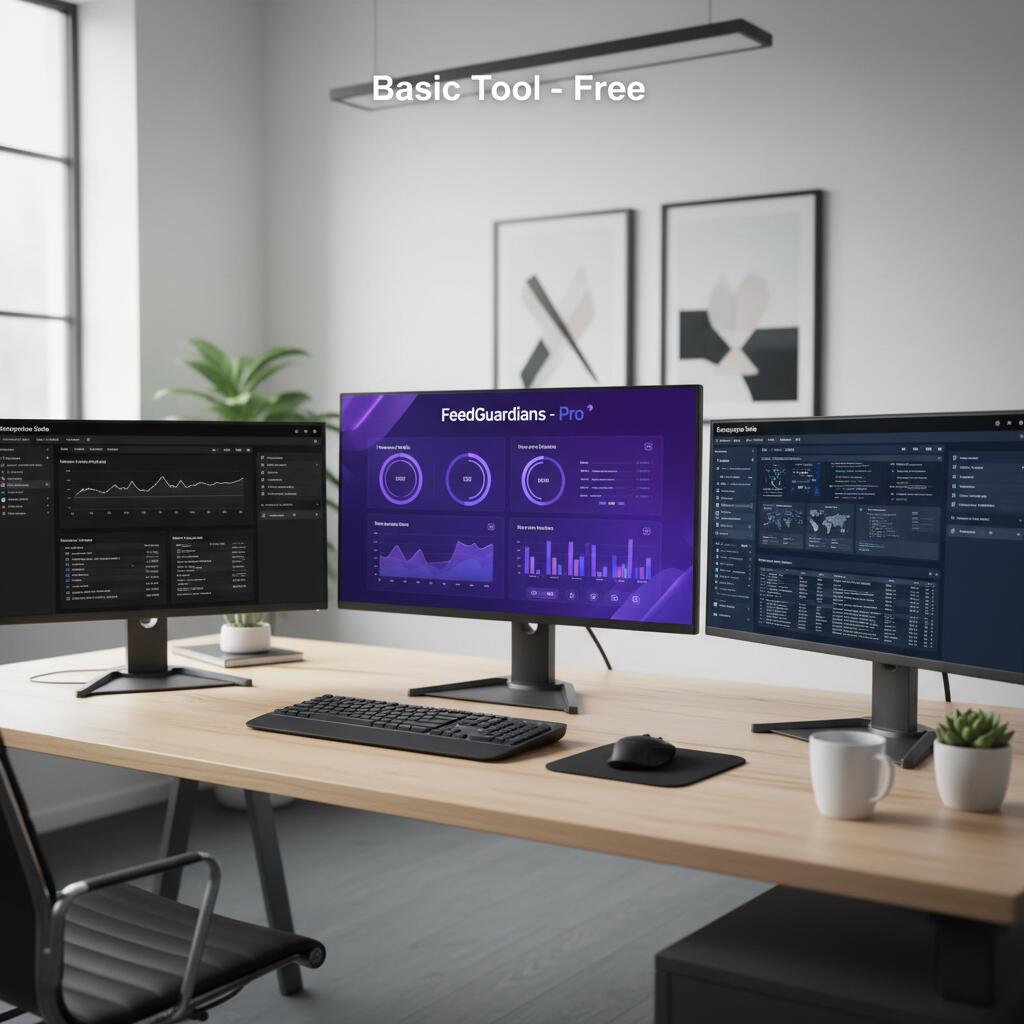
The right social media monitoring tool can make the difference between staying ahead of conversations and constantly playing catch-up. With dozens of options available, from free basic tools to enterprise-level platforms, choosing the right solution depends on your budget, team size, and monitoring objectives.
Free vs. Paid Monitoring Tools
Free tools like Google Alerts and native platform notifications can provide basic monitoring capabilities, but they often miss conversations, have limited customization options, and lack advanced features like sentiment analysis or competitive benchmarking.
Tool Comparison: Features & Pricing
| Tool | Type | Starting Price | Best For | Key Features |
|---|---|---|---|---|
| Google Alerts | Free | Free | Basic monitoring | Email alerts, web search |
| Hootsuite Insights | Paid | $49/month | Small businesses | Multi-platform, sentiment analysis |
| Sprout Social | Paid | $99/month | Growing teams | Advanced analytics, team collaboration |
| Brandwatch | Enterprise | $800/month | Large enterprises | AI insights, custom dashboards |
| FeedGuardians | AI-Powered | $49/month | Automated response | Auto-moderation, smart replies |
Essential Features to Look For
When evaluating social media monitoring tools, prioritize features that align with your objectives. Essential capabilities include comprehensive platform coverage, real-time alerts, sentiment analysis, competitive benchmarking, and integration with your existing marketing stack.
Must-Have Features:
- Real-time monitoring and alerts
- Sentiment analysis and scoring
- Multiple platform coverage
- Keyword and Boolean search
- Historical data access
- Team collaboration tools
Nice-to-Have Features:
- AI-powered insights
- Automated response capabilities
- Custom dashboard creation
- API access and integrations
- Influence scoring
- Crisis detection algorithms
FeedGuardians: The Smart Choice for Automated Monitoring
While traditional monitoring tools focus on alerting you to mentions, FeedGuardians goes a step further by automatically responding to comments and mentions based on your predefined rules. This AI-powered approach saves hours of manual work while ensuring consistent, timely responses to your audience.
FeedGuardians combines comprehensive monitoring with intelligent automation, making it ideal for businesses that want to maintain an active social presence without dedicating full-time resources to manual monitoring and response management.
Making Your Tool Selection Decision
Start with a clear understanding of your budget, team size, and primary use cases. Most tools offer free trials, so test 2-3 options with your actual keywords and objectives before making a final decision. Consider scalability—choose a tool that can grow with your business rather than one you'll outgrow quickly.
Remember that the most expensive tool isn't always the best choice. Focus on finding a solution that provides the features you need at a price point that makes sense for your ROI expectations.
Advanced Social Media Monitoring Strategies
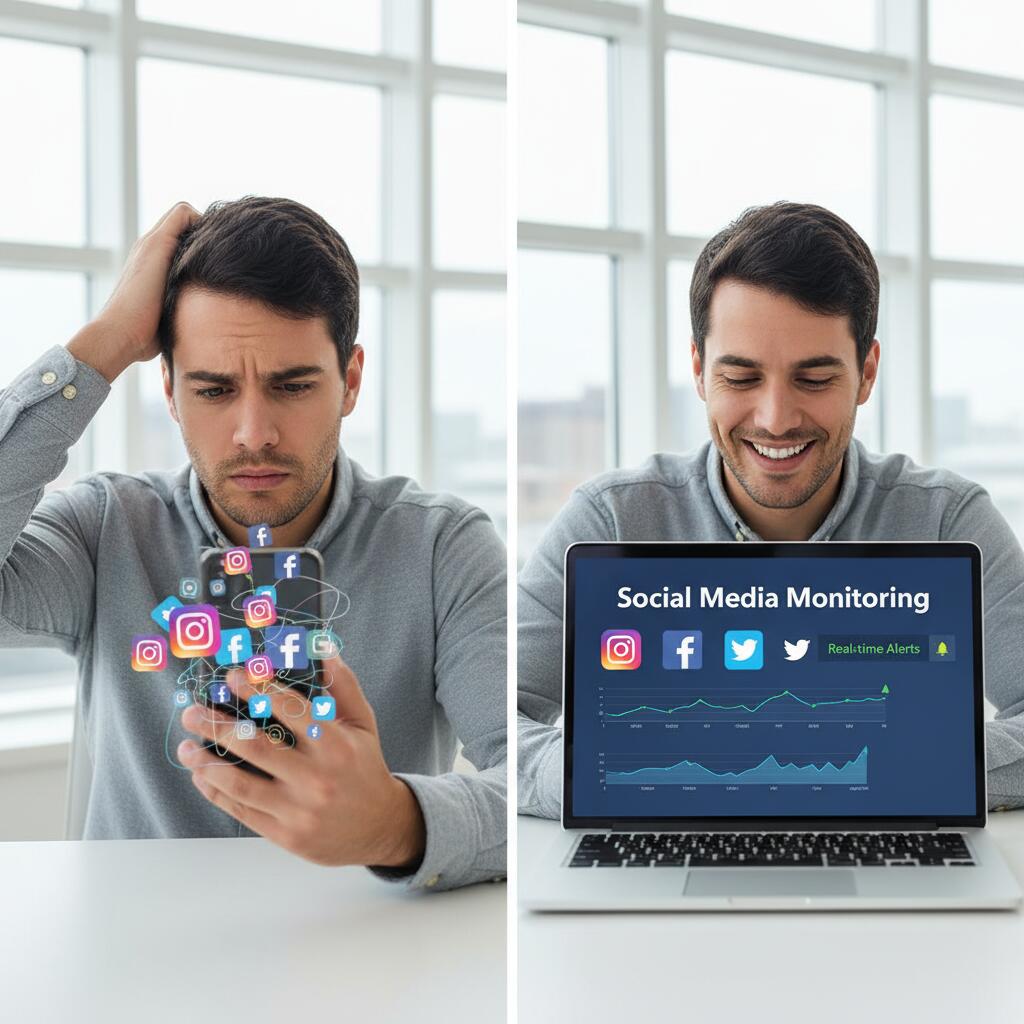
Once you've mastered basic social media monitoring, advanced strategies can transform your approach from reactive to proactive, helping you identify opportunities, prevent crises, and gain competitive advantages that drive real business growth.
Sentiment Analysis and Trend Prediction
Advanced sentiment analysis goes beyond simple positive/negative classification to identify emotional nuances, detect sarcasm, and predict sentiment trends before they become widespread. This capability helps you identify potential issues early and capitalize on positive momentum.
Use sentiment trending to inform product development, marketing campaigns, and customer service priorities. A gradual decline in sentiment might indicate emerging product issues, while sudden positive spikes could reveal successful campaign elements worth amplifying.
Competitive Intelligence and Benchmarking
Social media monitoring provides unparalleled competitive intelligence opportunities. Track competitors' share of voice, analyze their campaign performance, monitor customer complaints about their products, and identify gaps in their customer service that you can exploit.
Competitive Monitoring Strategy:
- Share of Voice: Compare mention volume across competitors
- Sentiment Comparison: Benchmark your reputation against competitors
- Campaign Analysis: Monitor competitors' marketing initiatives and customer reactions
- Gap Identification: Find unmet customer needs competitors are missing
- Influencer Mapping: Identify which influencers work with competitors
Crisis Prevention and Management
Advanced social media monitoring can prevent small issues from becoming major crises. Set up sophisticated alert systems that detect unusual spikes in negative mentions, identify influential critics early, and trigger escalation protocols before problems spread.
Develop crisis communication playbooks based on different scenarios identified through your monitoring data. According to Hootsuite's crisis management research, companies with predefined response protocols resolve crises 60% faster than those without structured approaches.
Influencer and Advocate Identification
Use social media monitoring to identify brand advocates, micro-influencers, and potential partnership opportunities. Look for users who frequently mention your brand positively, have engaged audiences, and align with your brand values.
Create tiered engagement strategies for different types of advocates. Power users might warrant direct outreach for partnership opportunities, while casual advocates might appreciate simple acknowledgment and engagement with their content.
Integration with Business Intelligence
Connect social media monitoring data with your broader business intelligence systems to correlate social sentiment with sales performance, customer satisfaction scores, and other business metrics. This integration provides deeper insights into the business impact of your social presence.
Advanced analytics can reveal correlations between social sentiment and business outcomes, helping you quantify the ROI of your social media monitoring efforts and make data-driven decisions about resource allocation.
Troubleshooting Common Social Media Monitoring Issues
Even well-planned social media monitoring strategies encounter challenges. Understanding common issues and their solutions helps you maintain effective monitoring and avoid missing critical conversations about your brand.
Information Overload and False Positives
One of the most common challenges in social media monitoring is dealing with too much irrelevant information. Broad keywords can generate thousands of mentions that aren't actually about your brand, leading to alert fatigue and missed important conversations.
Solutions for Information Overload:
- Refine Keywords: Use Boolean search operators to exclude irrelevant terms
- Set Priority Levels: Create different alert thresholds for different keyword categories
- Use Negative Keywords: Exclude terms that generate false positives
- Geographic Filtering: Limit monitoring to relevant geographic regions
- Source Prioritization: Focus on high-impact platforms and sources first
Missed Mentions and Coverage Gaps
Missing important mentions is equally problematic. This often happens when monitoring tools don't cover all relevant platforms, keywords are too narrow, or there are delays in data processing that cause time-sensitive mentions to be overlooked.
Regularly audit your keyword list and monitoring coverage. Set up cross-platform verification by using multiple tools or manual checks to ensure you're not missing conversations on emerging platforms or niche communities relevant to your industry.
Sentiment Analysis Accuracy Issues
Automated sentiment analysis isn't perfect, especially with sarcasm, context-dependent language, or industry-specific terminology. Misclassified sentiment can lead to inappropriate responses or missed opportunities for engagement.
Implement human review for high-stakes mentions and train your team to recognize when automated sentiment scoring might be inaccurate. Many tools allow you to provide feedback on sentiment classification to improve accuracy over time.
Response Time and Resource Management
Maintaining appropriate response times across all mentions can be challenging, especially for small teams managing multiple platforms and high mention volumes. Delayed responses can escalate minor issues into major problems.
Implement automated response systems for common queries and establish clear escalation procedures for different types of mentions. FeedGuardians' automated response features can help maintain consistent response times even with limited human resources.
Measuring ROI and Proving Value
Demonstrating the business value of social media monitoring can be challenging, especially when benefits like crisis prevention are difficult to quantify. This makes it hard to justify monitoring investments and optimize resource allocation.
Establish clear KPIs that tie monitoring activities to business outcomes. Track metrics like customer satisfaction improvements, crisis resolution times, lead generation from social engagement, and competitive intelligence insights that inform strategic decisions.
Best Practices & Future Trends in Social Media Monitoring
Social media monitoring continues to evolve with new technologies, platforms, and user behaviors. Staying ahead of trends and implementing best practices ensures your monitoring strategy remains effective and competitive in 2026 and beyond.
AI and Machine Learning Integration
Artificial intelligence is revolutionizing social media monitoring with improved sentiment analysis, predictive analytics, and automated response capabilities. AI-powered tools can now detect emerging trends, predict viral content, and identify potential crises before they escalate.
Gartner predicts that by 2026, 75% of staff operations will shift from production to strategic activities due to AI, with monitoring becoming increasingly automated while human oversight focuses on strategic decision-making.
Privacy and Data Compliance
Increasing privacy regulations and platform restrictions are changing how social media monitoring operates. GDPR, CCPA, and platform-specific privacy policies require more careful data handling and user consent management.
Ensure your monitoring practices comply with relevant regulations and platform terms of service. Focus on publicly available data and be transparent about how you use social media insights in your business operations.
Multi-Platform and Emerging Channel Coverage
New platforms and communication channels emerge regularly, requiring constant adaptation of monitoring strategies. TikTok, Clubhouse, Discord, and other platforms have created new spaces for brand conversations that traditional monitoring might miss.
Regularly evaluate emerging platforms for relevance to your audience and industry. While you can't monitor everything, staying informed about where your customers are having conversations ensures you don't miss important discussions about your brand.
Integration with Customer Experience Management
Social media monitoring is increasingly integrated with broader customer experience management systems, creating unified views of customer sentiment across all touchpoints. This integration provides more complete customer journey insights and enables more personalized responses.
Consider how social monitoring data can enhance your CRM, customer support, and marketing automation systems to create more cohesive customer experiences and better business outcomes.
Real-Time Response Automation
The future of social media monitoring includes sophisticated automation that can handle routine responses, escalate complex issues, and maintain brand voice consistency across all interactions. This evolution allows human teams to focus on strategic engagement and relationship building.
Tools like FeedGuardians are leading this trend by combining monitoring with intelligent automation, ensuring no mention goes unaddressed while maintaining authentic, helpful responses that enhance rather than replace human connection.
Ready to Transform Your Social Media Monitoring?
Effective social media monitoring is no longer optional in today's digital landscape—it's essential for protecting your brand, understanding your customers, and staying competitive. The strategies, tools, and best practices covered in this guide provide everything you need to build a monitoring system that drives real business results.
Remember that social media monitoring is most effective when it's part of a broader customer engagement strategy. The insights you gain should inform product development, marketing campaigns, customer service improvements, and strategic business decisions.
Start with clear objectives, choose the right tools for your needs and budget, and gradually expand your monitoring capabilities as you see results. The key is consistent implementation and continuous optimization based on what you learn about your audience and industry.
Take Your Social Media Monitoring to the Next Level
Stop missing important conversations about your brand. FeedGuardians combines comprehensive monitoring with intelligent automation, ensuring you never miss a mention and always respond appropriately.